Getting Started: What to Know About Garage Doors
Choosing a garage door involves balancing appearance, performance, and long-term reliability.
For many homes, the garage door is one of the largest and most visible features on the exterior of the house. In many cases, it represents a significant portion of the front of the home and plays an important role in both curb appeal and everyday functionality.
Choosing the right garage door involves more than selecting a style that looks good. Homeowners should also consider construction quality, insulation performance, durability, and how the door operates as part of a complete system that includes springs, tracks, and hardware.
Richards-Wilcox residential garage doors are manufactured in Canada and designed to perform reliably in demanding climates. Each door is built with durable materials and precision hardware so that the entire system works together for smooth, dependable operation over many years.
This guide explains the key factors to consider when selecting a residential garage door, including style, materials, insulation, design options, and installation considerations.
Quick Guide: Key Factors When Choosing a Garage Door
Choosing a residential garage door involves balancing appearance, performance, and long-term reliability. While every home is different, most homeowners focus on a few key factors when comparing options.
Click on the tabs on the left hand side to explore each of these factors in more detail to help homeowners choose the right garage door for their home.
Choosing the Right Garage Door Material
The material used in a garage door affects its durability, maintenance requirements, and overall appearance.
Each material offers different advantages depending on the style of the home, climate conditions, and the level of customization desired.
Insulated Garage Doors and Energy Efficiency
Insulation plays an important role in the performance of a residential garage door, particularly in colder climates where temperature differences between seasons can be significant.
An insulated garage door helps reduce heat loss, improve comfort in attached garages, and can contribute to better energy efficiency in the home. Insulation also increases the structural strength of the door and can help reduce noise and vibration during operation.
When comparing garage doors, two common measurements are used to describe thermal performance: R-value and U-factor.
- R-value measures how well a material resists heat flow. Higher R-values indicate greater insulating performance.
- U-factor measures how quickly heat transfers through a structure. Lower U-factor numbers indicate better insulation performance.
Both measurements help provide a clearer picture of how a garage door will perform in different temperature conditions.
Insulated vs Non-Insulated Garage Doors
Non-insulated garage doors are typically used for detached garages where temperature control is not a major concern. These doors provide reliable operation and durability but do not offer the thermal performance of insulated models.
Insulated garage doors are often recommended for homes with attached garages, living spaces above the garage, or situations where the garage is used as a workspace or storage area. Insulation helps stabilize temperatures and can make the garage a more comfortable environment throughout the year.
Polyurethane and Polystyrene Insulation
Two common types of insulation used in garage doors are polyurethane and polystyrene.
Polystyrene insulation is typically installed as rigid panels inside the door sections. While it improves thermal performance compared with non-insulated doors, it does not bond directly to the steel panels.
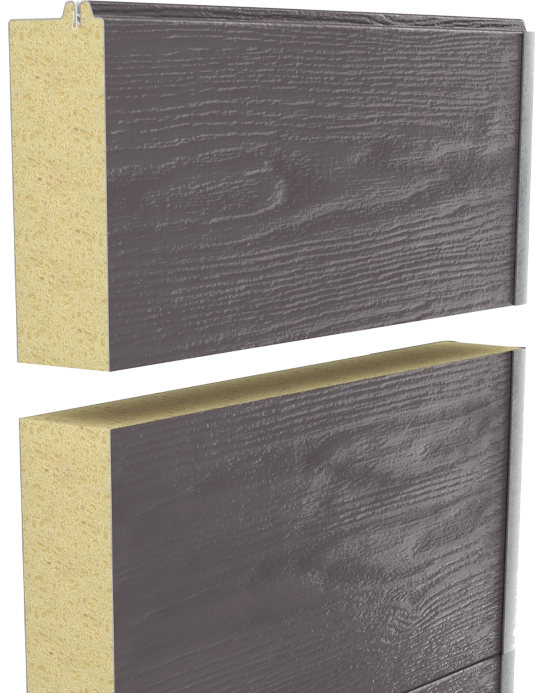
Polyurethane insulation is injected between the inner and outer steel layers of the door, where it expands and bonds to the structure. This process creates a stronger door section while providing improved thermal performance.
Neufoam™ Insulation
Richards-Wilcox insulated garage doors feature Neufoam™ polyurethane insulation, engineered to deliver high levels of thermal performance while increasing the overall strength of the door.
Because the insulation bonds to the steel construction of the door, it helps create a rigid panel structure that improves durability and reduces vibration during operation. This construction method also contributes to improved energy efficiency compared with non-insulated doors.
In climates where winters can be long and temperatures fluctuate throughout the year, properly insulated garage doors can make a noticeable difference in both comfort and performance.
Garage Door Design Options
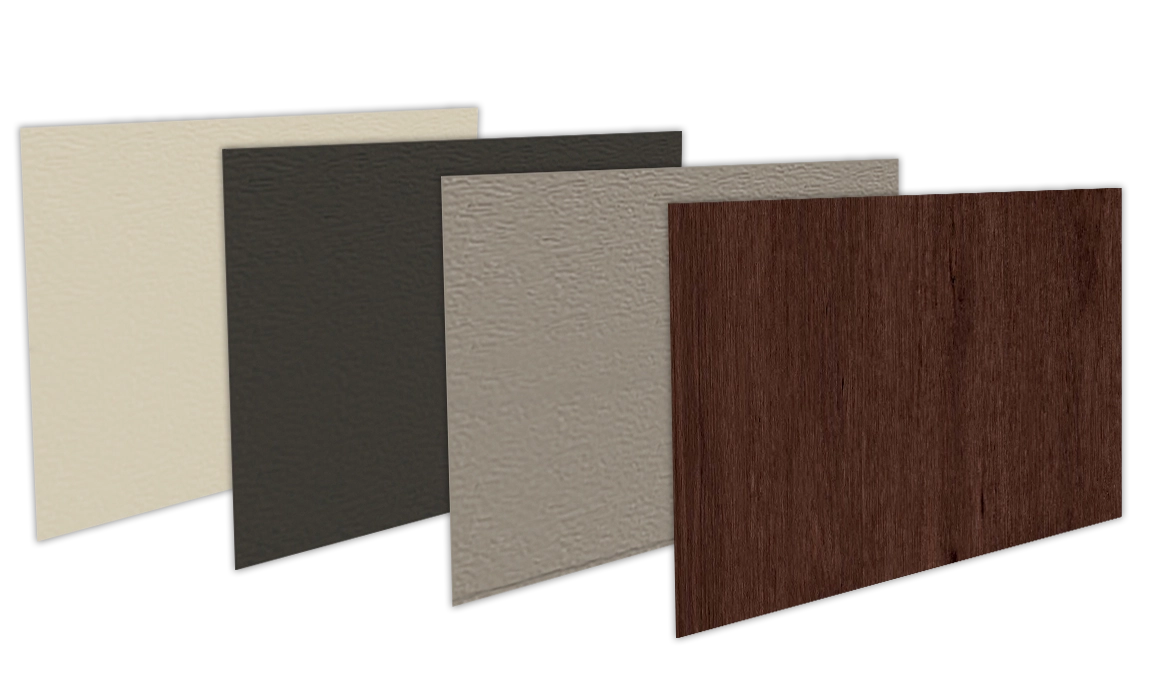
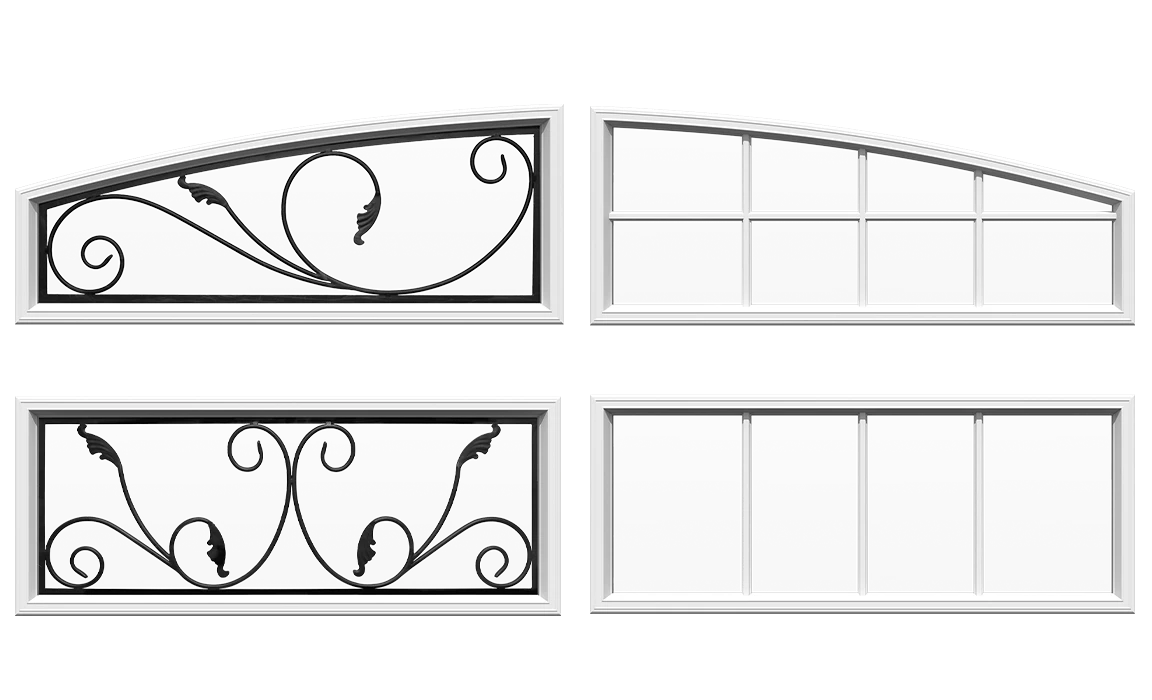
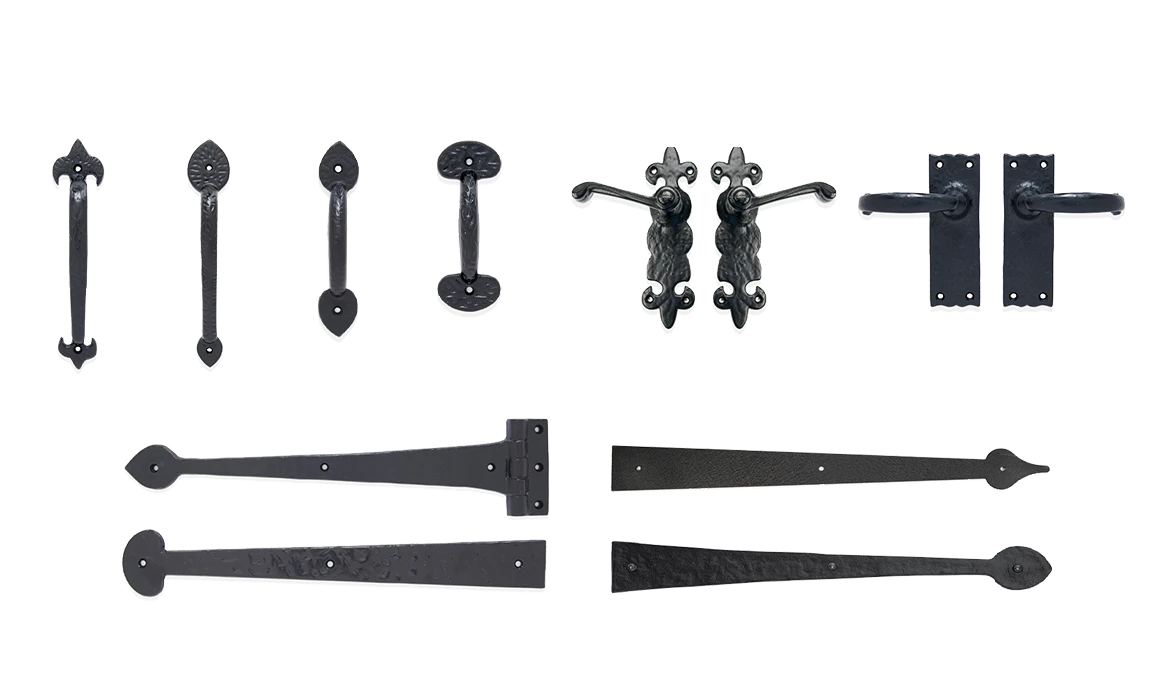
Beyond style and construction, garage doors can be customized with a range of design options that help coordinate the door with the architecture and colour palette of the home.
Details such as finish, windows, and decorative hardware can significantly influence the overall appearance of the door while maintaining the durability and performance expected from a modern garage door system.
Carefully selecting these elements allows homeowners to create a garage door that complements the exterior of the house while maintaining long-term functionality.
Homeowners can explore different design combinations using the Design-A-Door tool or view completed installations in the Gallery section.
Garage Door Openers
A garage door opener plays an important role in the overall operation of the garage door system.
The opener works together with the door, springs, and hardware to provide smooth, reliable movement each time the door opens or closes. Today’s garage door openers offer a range of features designed to improve convenience, safety, and everyday usability.
Types of Garage Door Openers
Several types of garage door openers are commonly used in residential applications.
Chain Drive Openers
Known for their strength and durability. They use a metal chain to move the door and are often chosen for their reliability and long service life.
Belt Drive Openers
Operate using a reinforced belt instead of a chain. This design typically results in quieter operation, which can be beneficial when the garage is located below or beside living spaces.
Wall-Mounted or Jackshaft Openers
Some homes may also use wall-mounted or jackshaft openers, which are installed beside the garage door rather than on the ceiling. These systems can help maximize overhead space and provide a clean, streamlined installation.
Smart and Connected Features
Modern garage door openers often include smart technology that allows homeowners to control and monitor the garage door using a smartphone or connected device. Features such as remote access, automatic closing timers, and activity alerts can provide additional convenience and peace of mind.
Safety features are also an important part of modern opener systems. Photo-eye sensors and automatic reversal systems help ensure that the door stops or reverses if an obstruction is detected during operation.
Installation Considerations
Proper installation plays an important role in the long-term performance and safety of a garage door system.
Garage doors operate under significant spring tension, and the components must be carefully balanced and adjusted to ensure smooth and reliable operation.
Professional installers evaluate several factors when preparing for a garage door installation, including:
- Headroom, which is the space above the garage door opening
- Sideroom, which allows space for the vertical track system
- Backroom, which provides clearance for the door when it opens
These measurements help determine the appropriate track configuration and hardware required for the installation.
Working with trained installers also helps ensure that the door, springs, tracks, and opener are properly matched as part of a complete system. This can improve long-term reliability and help maintain warranty coverage.
Richards-Wilcox products are installed through a network of authorized wholesalers and trained technicians who understand the requirements of the door and hardware system.
Homeowners can use the Find a Wholesaler tool to locate an authorized Richards-Wilcox wholesaler in their area.
Maintenance and Long-Term Performance
Like many mechanical systems in the home, garage doors benefit from periodic inspection and basic maintenance to ensure reliable operation over time.
Routine checks may include inspecting springs and cables, verifying that the door remains properly balanced, and ensuring that rollers and hinges move smoothly along the track system. Lubrication of moving components can also help reduce wear and maintain quiet operation.
A well-built garage door that is properly installed and maintained can provide dependable service for many years. Regular maintenance can also help identify small issues before they develop into larger repairs.